


On March 13, 2026, the Trump administration confirmed a strategic 30 Day Oil Waiver allowing Indian refiners to process stranded Russian crude. This emergency measure, led by Treasury Secretary Scott Bessent, aims to stabilize global energy markets as the escalating West Asia conflict threatens the vital Strait of Hormuz shipping lanes.
The global energy landscape shifted on its axis this week as the White House authorized a critical 30 Day Oil Waiver that effectively pauses the tightening noose of sanctions on Russian energy exports for the Indian market.
Specifically, the 30 Day Oil Waiver targets roughly 124 million barrels of crude currently “stranded” at sea. These cargoes, loaded before the March 5 deadline, were caught in a legal limbo following intense US and Israeli strikes on Iranian naval assets.
Global Shockwaves: Why the World Is Breathing a Sigh of Relief
The implications of the 30 Day Oil Waiver extend far beyond the borders of New Delhi and Washington, acting as a stabilizer for the entire global energy web. With the Strait of Hormuz effectively paralyzed by “Operation Epic Fury,” the traditional security of the Persian Gulf has vanished. The threat of a total blockade has sent insurance premiums for tankers into the stratosphere, making the 30 Day Oil Waiver an essential tool for maintaining the “flow of life” that powers modern civilization. Without this intervention, world energy prices were projected to shoot past $150 per barrel.
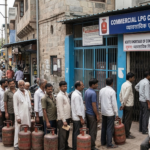
In India, the government has used the 30 Day Oil Waiver as a strategic breathing space to protect domestic consumers. While India has been reducing its Russian Oil Purchase to comply with previous US demands, the current crisis made a temporary return to Russian barrels unavoidable. This waiver prevents a sudden supply shock that would have driven up the costs of petrol, diesel, and LPG across the subcontinent. It is a masterclass in diplomatic maneuvering where New Delhi keeps its lights on while Washington secures a future customer for its own burgeoning energy exports. Visit the U.S. Department of the Treasury for verified 30 Day Oil Waiver documentation.
The Narrative of Necessity: Official Voices in the Crisis
Official statements surrounding the 30 Day Oil Waiver have been carefully crafted to maintain a posture of strength. Treasury Secretary Scott Bessent emphasized that the waiver is a “stop-gap” measure, intended only to clear the backlog of oil already in transit. He noted that the 30 Day Oil Waiver will not provide significant financial benefit to the Russian government, as the taxes were already assessed at the point of extraction. This nuance is critical for maintaining Western alliance cohesion while addressing the immediate threat of energy hyperinflation. Read our exclusive report on savitimes.com India’s 2026 Strategic Petroleum Reserve expansion.
The Infrastructure of an Oil Reprieve
From a technical perspective, the 30 Day Oil Waiver is a study in supply chain management under duress. To understand the logic, one must look at the Refinery Complexity Index of Indian facilities. Many plants are specifically configured to process heavier, sour grades of Russian crude. A sudden stoppage of this feedstock would cause physical damage to refinery infrastructure and result in highly inefficient production cycles. The 30 Day Oil Waiver prevents these technical failures by ensuring that the “chemistry” of the national energy supply remains consistent while alternative American blends are gradually introduced.
FAQs:
Q1: Why did the US grant the 30 Day Oil Waiver? The US issued the 30 Day Oil Waiver to stabilize global markets and prevent a supply shock. By allowing India to process stranded Russian cargo, Washington averted a price explosion triggered by the war in West Asia.
Q2: Is the 30 Day Oil Waiver a permanent policy change? No, it is a strictly short-term measure valid through April 2026. It is designed only to clear existing “legal-limbo” cargoes at sea and does not signal a lift of broader sanctions on Moscow.
Q3: How does the 30 Day Oil Waiver affect Indian fuel prices? The 30 Day Oil Waiver protects Indian consumers by preventing an immediate fuel shortage. This ensures that domestic petrol and LPG prices remain stable despite the extreme volatility in the Middle East.