The Jerusalem Handshake: How PM Modi’s Gaza Peace Endorsement Redefines West Asian Geopolitics
Explore the impact of the PM Modi Israel Visit 2026. From the historic Knesset address to backing the Gaza Peace Initiative, see how India is reshaping West Asia.
The IMEC project serves as the economic backbone of the strengthening New Delhi-Tel Aviv axis.
SHARE
Prime Minister Narendra Modi, visiting Jerusalem on February 25, 2026, endorsed the UN-backed Gaza Peace Initiative during a historic address to the Knesset. Modi emphasized India’s commitment to a “just and durable peace,” seeking to balance strategic ties with Israel while supporting regional stability and a two-state solution.
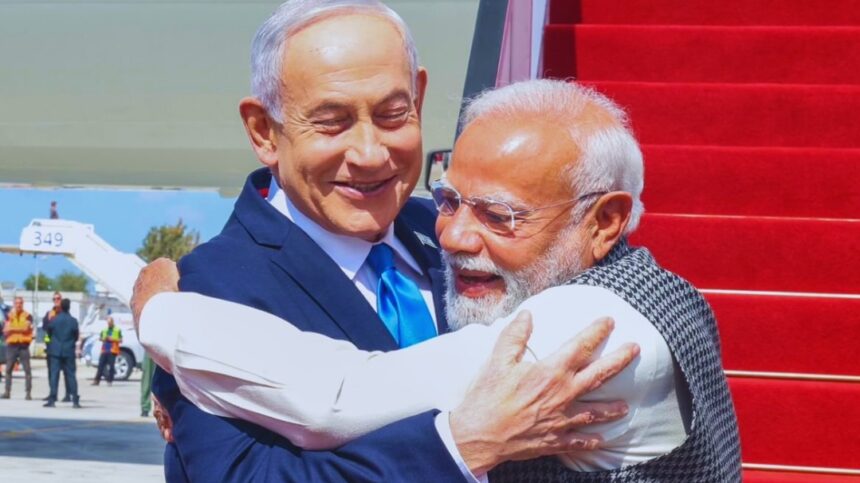
The air in Jerusalem carried a weight of historical significance as Prime Minister Narendra Modi stepped onto the dais of the Knesset, becoming a pivotal figure in the shifting sands of Middle Eastern diplomacy. This visit, occurring in February 2026, was not merely a diplomatic formality but a calculated masterstroke of “de-hyphenated” foreign policy. By explicitly backing the Gaza Peace Initiative, the Indian leader has signaled that New Delhi is no longer a silent spectator but a proactive architect of global stability.
Full Event Breakdown: A Milestone in West Asian Diplomacy
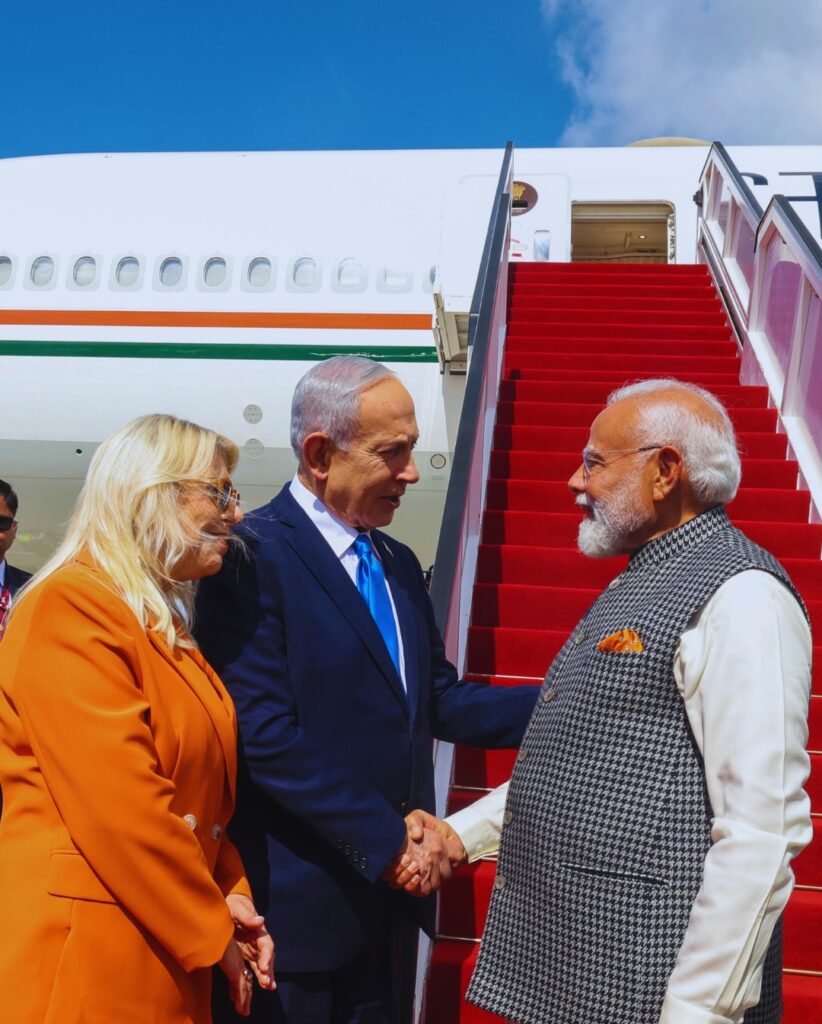
Prime Minister Narendra Modi’s two-day state visit to Israel (February 25–26, 2026) marks a critical juncture in India’s “Link West” policy. Landing in Tel Aviv on Wednesday, the Prime Minister was received with high state honors before traveling to Jerusalem for delegation-level talks with Prime Minister Benjamin Netanyahu and President Isaac Herzog.
The centerpiece of the visit was Modi’s address to the Knesset, the Israeli Parliament, where he became the first Indian leader to do so. In a speech that blended civilizational ties with modern geopolitics, he received the “Speaker of the Knesset Medal,” the legislature’s highest honor.
The Hidden Calculus of the Gaza Peace Initiative Endorsement
When the Prime Minister spoke of a “just and durable peace,” he was navigating one of the most complex geopolitical tightropes of the modern era. The PM Modi Israel Visit 2026 represents a departure from traditional non-alignment toward a more assertive “strategic autonomy.” This endorsement of the UN-backed peace plan serves a dual purpose: it strengthens ties with the Israeli administration while simultaneously reassuring India’s partners in the Arab world.
Official Reactions & Statements
“The Gaza Peace Initiative holds the promise of a just and durable peace… Let all our efforts be guided by wisdom, courage, and humanity. India joins you for dialogue and stability.” — Narendra Modi, Prime Minister of India
“The alliance between us is an enormous multiplier of our individual powers. India is a central pillar of our vision for a stable Middle East.” — Benjamin Netanyahu, Prime Minister of Israel
“We do not want India to be embarrassed by our domestic politics. The friendship between our nations is above any party line.” — Yair Lapid, Israeli Opposition Leader.
PM Modi, Israel, Gaza Peace Initiative, Netanyahu, Knesset, India-Israel Relations, IMEC, West Asia News.
Technological Convergence and the New Defense Paradigm
Beyond the rhetoric of peace lies the cold, hard reality of defense cooperation and technological integration. The PM Modi Israel Visit 2026 has accelerated the transition from a buyer-seller relationship to a collaborative ecosystem of co-development. Indian and Israeli engineers are now working side-by-side on the next generation of AI-driven interceptors and unmanned aerial vehicles. This synergy is designed to make India a global hub for defense manufacturing, reducing its historical reliance on northern neighbors for critical military hardware. Read our deep dive into India’s growing influence in the Global South.
This technical partnership extends into the realm of cybersecurity and quantum computing, where both nations face similar threats from state and non-state actors. The “Sudarshan Chakra” air defense initiative is a prime example of this logic, integrating Israeli sensor technology with Indian manufacturing prowess. As these systems become operational, they provide a blueprint for other nations seeking to modernize their defenses without compromising their sovereign data or strategic independence. For more details on the UN-backed Gaza Peace Plan, visit the official United Nations Peacekeeping portal.
The Economic Ripple Effect of the Haifa-Mumbai Axis
The finalized Free Trade Agreement discussed during this summit is poised to revolutionize bilateral commerce, particularly in the semiconductor and green energy sectors. The PM Modi Israel Visit 2026 has set the stage for a massive influx of Israeli venture capital into Indian startups, specifically those focusing on agritech and water desalination. By sharing “Lab-to-Land” technologies, Israel is helping India tackle its looming water crisis, while India offers Israel a market of unprecedented scale and a talent pool of millions of engineers.