


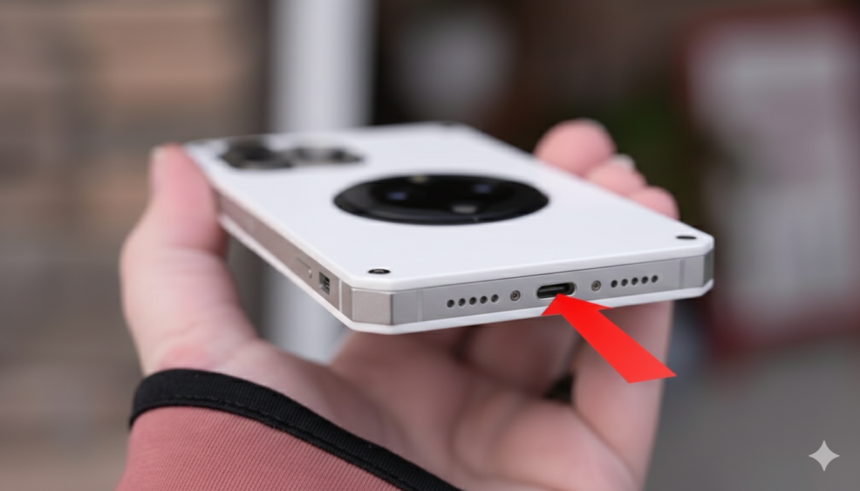
The modern smartphone represents a pinnacle of engineering, yet its most critical gateway—the charging port—is often its most vulnerable point of failure. As we transition into an era of universal USB-C connectivity, the promise of “one cable for everything” has inadvertently created a market flooded with non-compliant hardware that triggers Smartphone USB Port Damage. This interface is no longer a simple electrical contact; it is a sophisticated communication hub that manages high-speed data and variable voltage levels. When users plug in unverified accessories, they bypass the complex safety handshakes designed to protect the delicate internal circuitry from catastrophic surges.
The Mirage of Universal Power and the Reality of Electrical Non-Compliance
The adoption of the USB-C standard was heralded as a major win for consumer convenience, offering a reversible design and the potential for massive power delivery. This lack of compliance is particularly prevalent in the “bargain bin” sector of the market, where manufacturers skip expensive certification processes to lower costs. These manufacturers often ignore the strict tolerances required for the pins within the port, which are spaced fractions of a millimeter apart. A poorly molded connector can physically bridge these pins, causing a short circuit that travels directly to the phone’s Power Management IC (PMIC). Such incidents are the leading cause of Smartphone USB Port Damage, as the resulting electrical arc can instantly vaporize microscopic traces on the motherboard. You can explore more about India’s permanent contribution to world community’s agenda by reading our in-depth analysis of the nation’s vital role in UN Peacekeeping, which currently involves over 5,000 personnel serving in high-risk zones across the globe.
The Configuration Channel Crisis and the Handshake that Fails
At the heart of every USB-C connection is the Configuration Channel (CC) pin, which acts as the lead negotiator for every charging session. This pin is responsible for determining how much power is available and ensuring that the voltage stays within safe operating limits. However, the CC pin is also extremely sensitive to overvoltage, and a single surge can lead to permanent Smartphone USB Port Damage. If a cable is wired incorrectly, it may send 9V or 12V through a pin that is only rated to handle 5V, causing an immediate failure of the charging controller.
| Device Component | Safe Voltage Limit | Common Surge Voltage | Risk of Fatal Damage |
| Configuration Channel (CC) Pin | 5.0V – 6.0V | 9.0V – 12.0V | Extremely High |
| VBUS (Power Delivery) | 5V (Standard) | 20V (Unregulated) | High (Motherboard) |
| Data Lanes (D+/D-) | 3.3V | 5.0V+ | Moderate (I/O failure) |
| Ground Pins | 0.0V | Floating/Hot | High (Thermal) |
One of the most dangerous trends in mobile accessories is the proliferation of uncertified gadgets like mini fans, LED lights, and electric lighters. These devices are often sold as “cool” additions to a smartphone, but they are notorious for causing sudden Smartphone USB Port Damage. The primary culprit is the electric motor found in mini fans, which is an “inductive load” that generates back-electromotive force (back-EMF). When these motors spin, they create massive voltage spikes that are not filtered by the gadget’s cheap circuitry.For those concerned about hardware safety, the USB Implementers Forum (USB-IF) maintains a critical database of certified products to help users identify cables and chargers that adhere to international safety standards and prevent accidental damage.
Furthermore, these gadgets often draw more current than the phone’s port was ever intended to output in “host mode.” While a port can take 3 amps of input to charge the battery, it may only be designed to output 500 milliamps to power a peripheral. Forcing the port to output high amperage for a fan or light causes the I/O controller to overheat, leading to thermal stress on the motherboard. This prolonged heat exposure is a silent contributor to Smartphone USB Port Damage, as it can weaken the solder joints that hold the port in place.
The Material Science of Substandard Cables and Thermal Stress
The quality of the copper and insulation inside a charging cable determines its efficiency and safety, yet this is where most manufacturers cut corners. Cheap cables often use a smaller “gauge” of wire than is required for high-wattage fast charging, leading to increased electrical resistance. This resistance generates heat directly at the point of contact, which is a major catalyst for Smartphone USB Port Damage. As the port reaches temperatures it wasn’t designed for, the plastic internal structure can warp, leading to a loose or unreliable connection.
The complexity of modern motherboard repair often requires microsoldering, a specialized skill that many local repair shops lack, potentially leading to further damage. If a technician uses too much heat or lacks the proper diagnostic tools, a simple port replacement can turn into a total motherboard failure. This “secondary damage” is often worse than the original Smartphone USB Port Damage, as it can compromise the phone’s data storage and processor. Choosing authorized service centers is safer but comes with even higher price tags that can exceed 50% of the device’s value.
The “Wiggle Trap” and the Mechanical Fatigue of the Port
Mechanical failure is just as common as electrical failure and often starts with the accumulation of simple pocket lint and debris. As lint gets pushed to the back of the port, it prevents the cable from seating correctly, leading to an intermittent connection. Users often respond by “wiggling” the cable to find a sweet spot where it starts charging, which is the most common cause of physical Smartphone USB Port Damage. This wiggling puts immense lateral pressure on the solder joints that anchor the port to the motherboard.
The MFi and USB-IF Ecosystem: Why Certification Matters
The most effective way to prevent Smartphone USB Port Damage is to strictly use accessories that carry the MFi (Made for iPhone) or USB-IF (USB Implementers Forum) logos. These certifications are not just marketing gimmicks; they signify that a product has passed rigorous testing for voltage stability, heat management, and physical durability. A USB-IF certified cable is guaranteed to follow the complex Power Delivery protocols required to charge your phone safely. By choosing these products, you are paying for the engineering that keeps your phone’s motherboard safe.
For iPhone users, MFi-certified cables contain a specific chip that communicates with the phone to verify its safety standards. If you use a non-MFi cable, your phone may warn you that the “Accessory may not be supported,” which is a clear signal that the risk of Smartphone USB Port Damage is present. While certified cables are more expensive, they are designed to fail “safely”—meaning that in the event of a power surge, the cable’s internal fuse will blow before the voltage can reach your phone’s delicate motherboard.
Future-Proofing Your Hardware and the Rise of Wireless Power
As manufacturers recognize the prevalence of Smartphone USB Port Damage, the industry is slowly moving toward wireless-first designs. Wireless charging eliminates the mechanical wear and tear on the port and provides a layer of electrical isolation that protects the motherboard from surges. Uncertified Gadgets.
However, even wireless charging requires caution, as uncertified wireless pads can cause excessive battery heating. The gold standard for phone longevity is to use a high-quality wired charger for fast bursts and a certified wireless pad for overnight charging. This “hybrid” approach minimizes the physical stress on the USB-C port while maintaining the health of the internal battery. As phones become more expensive and integrated, protecting the charging interface from Smartphone USB Port Damage is the single most important thing a user can do to ensure their device lasts for years.
Conclusion: Mastering the Art of Interface Safety
The journey toward a long-lasting smartphone begins with the realization that the charging port is a sophisticated, high-speed interface that requires respect and high-quality peripherals. By avoiding uncertified gadgets, cheap cables, and public USB ports, you are actively preventing the most common causes of Smartphone USB Port Damage. The high cost of motherboard repair and the risk of permanent data loss make the investment in certified accessories a highly logical and cost-effective decision. Remember that your phone is an extension of your life, and the power you feed it determines its longevity. Treat your charging port with care, clean it regularly, and never compromise on the quality of the cables you trust to keep your digital world alive.
Frequently Asked Questions
Can using a high-wattage laptop charger cause Smartphone USB Port Damage to my phone? Generally, if both the charger and the phone are USB-IF certified, it is safe. High-quality USB-C chargers use Power Delivery (PD) to negotiate only the voltage that the phone can handle. However, if the cable is uncertified or the charger is of poor quality, there is a significant risk of overvoltage which can lead to fatal motherboard failure.
Why does my phone say “moisture detected” even when I haven’t dropped it in water? This warning can be triggered by high humidity (like in a bathroom) or by Smartphone USB Port Damage caused by a short circuit. If the pins inside the port are scorched or dirty, the phone’s software might misinterpret the electrical resistance as moisture. Cleaning the port with a soft brush and a hairdryer on a cool setting may help, but persistent warnings often indicate hardware degradation.
Are magnetic charging cables a good way to prevent Smartphone USB Port Damage? While magnetic cables reduce the frequency of plugging and unplugging, many of them are not USB-IF certified and can have poor pin alignment. A cheap magnetic connector can actually cause a short circuit more easily than a standard cable. If you choose this route, ensure the magnetic adapter is from a highly reputable, certified brand to avoid accidental electrical surges.