


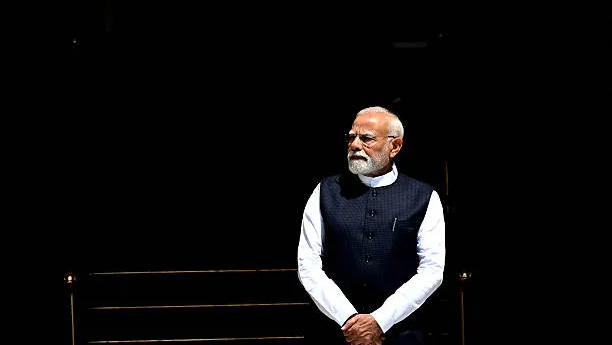
A Sacred Resolve Rooted in Nagrik Devo Bhava
The philosophy guiding Seva Teerth is encapsulated in the motto ‘Nagrik Devo Bhava,’ a powerful reminder that the citizen is akin to the divine. During his inaugural address, the Prime Minister emphasized that this new workspace is designed to bridge the gap between the government and the governed, ensuring that every policy signed within these walls prioritizes the welfare of the common man. By moving away from the “Satta” (power) mindset to the “Seva Teerth” (service) spirit, the administration aims to create a culture of accountability and empathy that resonates with the aspirations of every household from Kashmir to Kanyakumari. Exploring the Evolution of Central Vista and its Impact on Delhi’s Architecture with savitimes.
Consolidating Power for Faster and Smarter Decisions
One of the most significant upgrades at Seva Teerth is the physical integration of the Prime Minister’s Office, the Cabinet Secretariat, and the National Security Council Secretariat under a single, high-tech roof. Previously, these vital organs of the state operated from fragmented locations, often leading to logistical hurdles and communication delays in critical situations. The new Seva Teerth infrastructure eliminates these silos, fostering a environment of seamless collaboration where national security and domestic welfare strategies can be synchronized with unprecedented speed, ultimately benefiting the 140 crore Indians waiting for swift governance.
De-Colonizing the Indian Administrative Identity
The shift to Seva Teerth marks a definitive departure from the architectural and psychological shadows of the British Raj that lingered in South Block for nearly a century. This transition is part of a broader “Pran” to shed colonial baggage, much like the renaming of Rajpath to Kartavya Path and Race Course Road to Lok Kalyan Marg. By establishing Seva Teerth as the apex of administration, the government is creating a new heritage that reflects indigenous values and modern democratic pride, ensuring that the legacy of the next century is built on a foundation that is purely and authentically Indian.
For more details on the engineering marvels of the project, visit the Central Vista Official Portal
Environmental Excellence and Future-Ready Governance
Beyond its symbolic and administrative value, Seva Teerth stands as a beacon of sustainable development, having been constructed to meet rigorous 4-Star GRIHA green building standards. The complex utilizes advanced renewable energy systems and water conservation technologies, proving that the heart of Indian governance is committed to the global fight against climate change. This eco-friendly approach at Seva Teerth ensures that as the government works to fulfill the dreams of 140 crore Indians, it does so without compromising the environmental health of the future generations who will inherit this land.
Setting the Gold Standard for Citizen-Centric Service
The ultimate success of Seva Teerth will be measured by the tangible improvements it brings to the lives of ordinary citizens through streamlined digital interfaces and more accessible public zones. As the Prime Minister highlighted in his speech, this building is not just a structure of stone and mortar but a living testament to the nation’s collective will to progress. The inauguration of Seva Teerth marks the beginning of a new chapter where efficiency, transparency, and the spirit of service are the only currencies that matter in the pursuit of a developed and self-reliant India.
Frequently Asked Questions (Schema-Ready)
1. What is the significance of the name ‘Seva Teerth’ for the new PMO? The name Seva Teerth signifies a shift from the concept of a “power center” to a “pilgrimage of service.” It reflects the government’s commitment to citizen-centric governance, where the primary objective of the Prime Minister’s Office is to serve the 140 crore citizens of India with dedication and humility.
2. Which government offices have moved to the Seva Teerth complex? The Seva Teerth complex now houses three of the most critical executive bodies in India: the Prime Minister’s Office (PMO), the Cabinet Secretariat, and the National Security Council Secretariat (NSCS). This consolidation is intended to improve inter-departmental coordination and speed up the decision-making process.
3. How does Seva Teerth contribute to India’s environmental goals? Seva Teerth is built according to 4-Star GRIHA standards, making it a highly sustainable green building. It incorporates sophisticated renewable energy systems, efficient waste management, and water conservation measures to minimize its carbon footprint while serving as a model for future administrative infrastructure in India.