


The Unprecedented Military Escalation in the Persian Gulf
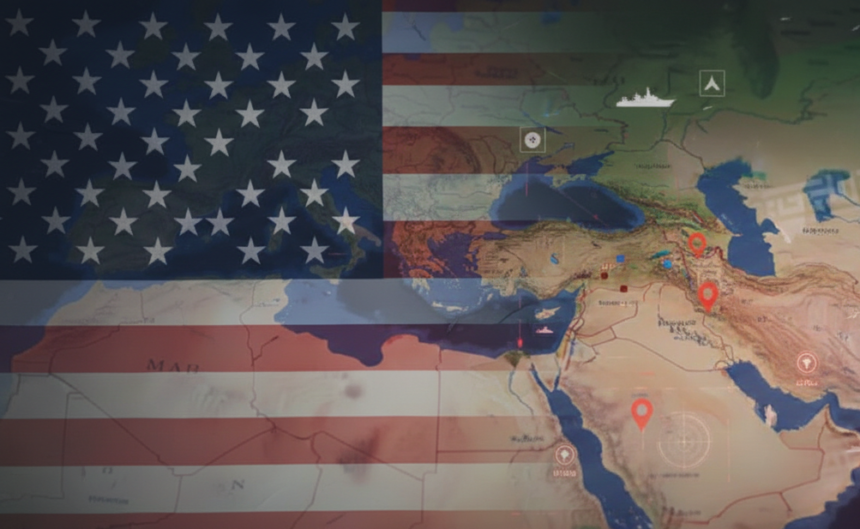
The world is currently watching with bated breath as the US-Iran Conflict reaches a fever pitch, marked by a massive surge in American military presence. President Donald Trump has authorized the deployment of two massive carrier strike groups, including the USS Abraham Lincoln, which is now positioned within striking distance of the Iranian coastline. This aggressive posturing is intended to serve as a “very big, very powerful” deterrent against any potential Iranian aggression, signaling that the United States is prepared for a kinetic engagement if diplomatic channels fail to yield results.
Ayatollah Khamenei’s Defiant Stand and Naval Drills
In direct response to the American naval buildup, Iran’s Supreme Leader Ayatollah Khamenei has issued a series of stern warnings, suggesting that any American strike would ignite a “regional war.” To underscore this defiance, Iran recently conducted live-fire military exercises in the strategic Strait of Hormuz, temporarily closing the vital waterway to international traffic. These maneuvers are seen by analysts as a high-stakes attempt by Tehran to level the playing field and demonstrate its ability to disrupt global oil supplies should the US-Iran Conflict escalate into an all-out confrontation.
The Paradox of Diplomacy Amidst War Rhetoric
Despite the rattling of sabers and the deployment of over 50 advanced fighter jets to the region, a parallel track of diplomacy is struggling to gain traction in Geneva. The US-Iran Conflict has entered a complex phase where both nations are engaging in what experts describe as “diplomatic speed dating,” with mediators from Oman and Switzerland attempting to find common ground. While Donald Trump remains adamant that Iran must accept stringent new conditions to avoid “devastating consequences,” Iranian officials are signaling a willingness to negotiate only if the crippling economic sanctions are dismantled first.
The Strategic Importance of the Strait of Hormuz
The geopolitical significance of the Strait of Hormuz cannot be overstated when analyzing the potential trajectory of the US-Iran Conflict. As a primary chokepoint for global energy markets, any prolonged closure or military skirmish in this area could send shockwaves through the global economy. For Ayatollah Khamenei, the ability to threaten this passage remains his most potent leverage against Western pressure, while for the United States, ensuring the “freedom of navigation” is a non-negotiable national security priority that justifies the current carrier deployments.
For further insights into global security shifts, you can visit Human Rights Watch to understand the humanitarian implications of regional tensions. You can also read our previous analysis on [Global Defense Strategies] to see how these deployments fit into a larger geopolitical puzzle.
A Precarious Balance: Proxy Risks and Regional Stability
As the US-Iran Conflict intensifies, the risk of miscalculation by either side grows exponentially, especially with regional proxies playing a volatile role. From Hezbollah in Lebanon to militias across Iraq, the influence of the IRGC adds layers of complexity to the standoff between the White House and Tehran. International observers warn that the window for a peaceful resolution is narrowing as both nations move more “pieces into place” for a potential kinetic confrontation, leaving the global economy and Middle Eastern stability hanging in a precarious balance.
Frequently Asked Questions (FAQs)
Q1: What are the “red lines” mentioned by the US in the current conflict? Answer: The Trump administration’s red lines include a total halt to high-level uranium enrichment, significant restrictions on Iran’s ballistic missile program, and an end to Tehran’s funding of regional proxy groups. Failure to meet these could result in further military action or intensified sanctions.
Q2: Why is the deployment of two aircraft carriers so significant? Answer: Moving two carrier strike groups (the USS Lincoln and USS Ford) into a single theater provides the US with overwhelming air and sea power. This setup allows for sustained, high-intensity operations and signals that the US-Iran Conflict has moved from a war of words to a state of high military readiness.
Q3: Is Iran actually closing the Strait of Hormuz? Answer: Iran has closed specific areas of the Strait for “live-fire exercises” as a show of force. While a total, permanent closure would be an act of war, these temporary closures serve as a reminder that Iran can disrupt 20% of the world’s petroleum liquids that pass through the waterway daily.